Introduction
Border protection agencies require advanced technology that can identify threats quickly, accurately, and safely. The surge in fentanyl trafficking, with the U.S. Drug Enforcement Administration seizing over 60 million fentanyl-laced counterfeit pills in 2024 alone, underscores the critical need for advanced detection capabilities at international borders and checkpoints.
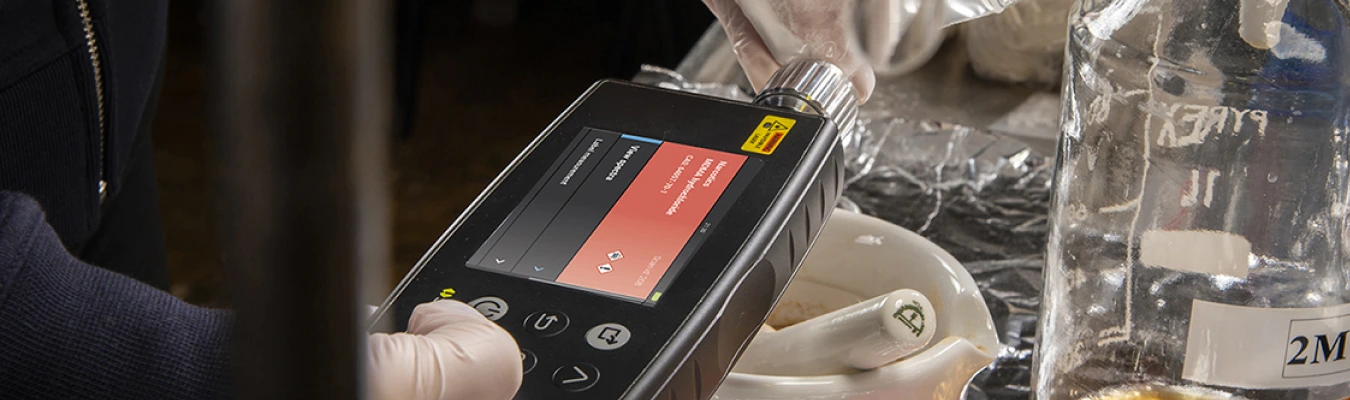
Handheld Raman spectrometers narcotics control in border security applications have emerged as the gold standard, offering a transformative combination of non-contact analysis, through-barrier detection, and laboratory-quality results in field conditions. For Saudi Arabia and the broader Gulf region, where protecting borders against drug trafficking is a national security priority, understanding the capabilities and why use portable Raman for border security is essential.
What Exactly Is Raman Spectroscopy
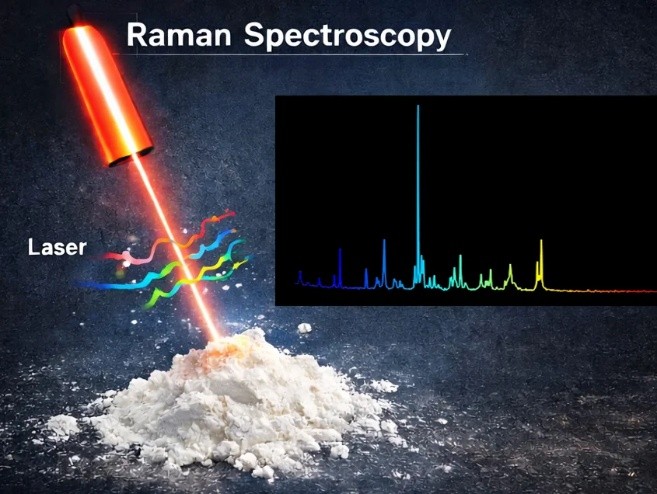
Raman spectroscopy is a non-destructive analytical technique that identifies chemical substances based on their unique molecular vibrations. When a laser beam illuminates a sample, the majority of light scatters without energy change (Rayleigh scattering), but a small fraction undergoes energy shifts due to molecular vibrations, a phenomenon known as the Raman effect. These energy shifts create a spectroscopic “fingerprint” that is unique to each chemical compound.
Why Raman Is Ideal For Narcotics Detection
Why use portable Raman for border security? The answer lies in its unique combination of capabilities that make it the preferred choice for field operations:
- High Chemical Specificity: Each narcotic, precursor, and cutting agent produces a distinct spectral signature, enabling definitive identification
- Non-Destructive Analysis: Samples remain intact for additional testing or evidence preservation
- Minimal Sample Preparation: Most substances can be analyzed directly without extraction or processing
- Rapid Results: Modern handheld Raman spectrometer narcotics control systems deliver presumptive identification in 5-60 seconds.
- Through-Barrier Capability: Advanced SORS technology enables detection through packaging without opening containers
Spatially Offset Raman Spectroscopy (SORS)
While conventional Raman spectroscopy excels at analyzing exposed samples, border security applications frequently involve substances concealed in opaque containers, colored plastic bags, or layered packaging. This is where Spatially Offset Raman Spectroscopy (SORS) revolutionizes the field.
How SORS Technology Works
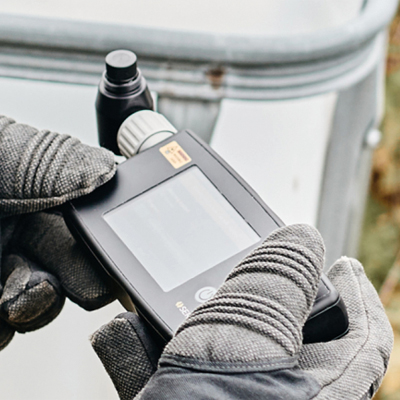
SORS operates by spatially separating the laser illumination point from the light collection area. This technique exploits the fact that photons migrate through diffusely scattering materials (like plastic containers or fabric), and some photons travel deeper before scattering back. By collecting light at offset positions, typically several millimeters from the illumination point, SORS preferentially captures signals from subsurface materials while minimizing interference from the container itself.
The UK Border Force and U.S. Customs and Border Protection have successfully deployed SORS-equipped systems like the Agilent Resolve, which received the highest overall score among handheld Raman spectrometers for drug detection in the U.S. Department of Homeland Security’s assessment program. These systems enable customs officers to identify explosives, narcotics, and chemical warfare agents through opaque and colored containers, capabilities impossible with conventional Raman spectroscopy.
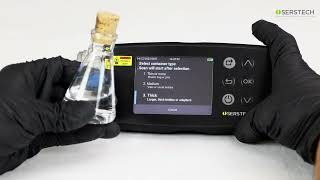
Real-World Through-Barrier Detection Examples
- Yellow palm oil containers (HDPE): SORS successfully identified ammonium nitrate and sugar mixtures concealed in opaque yellow plastic containers commonly used for improvised explosives
- Colored glass bottles: Detection of liquids through dark glass containers that block conventional Raman analysis
- Multi-layer packaging: Identification of substances through cardboard, fabric, and plastic layers simultaneously
- Sealed pharmaceutical bottles: Analysis of pills and powders through plastic bottles without breaking security seals
Critical Applications In Border Security And Narcotics Control
-
Fentanyl And Synthetic Opioid Detection
The fentanyl crisis represents one of the most severe public health and security challenges globally. With approximately 54,000 overdose deaths attributed to fentanyl and its analogs in the United States in 2024, and counterfeit pills containing lethal doses flooding illegal markets, rapid field identification is critical.
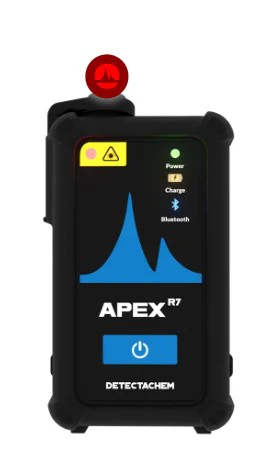
Modern handheld Raman spectrometer narcotics control systems incorporate Surface-Enhanced Raman Spectroscopy (SERS) capabilities specifically designed for fentanyl detection. SERS uses metallic nanostructures to amplify Raman signals by orders of magnitude, enabling detection of fentanyl at concentrations as low as 0.1-25 parts per billion (ppb), far below lethal doses. Research has demonstrated successful identification of 27 different fentanyl compounds and analogs using differential Raman spectroscopy.
Key capabilities for fentanyl detection include:
- Identification through high fluorescence interference common in street samples
- Detection in low-concentration mixtures with cutting agents
- Differentiation between structurally similar fentanyl analogs (carfentanil, furanyl fentanyl, acetyl fentanyl, etc.)
- Analysis of counterfeit pharmaceutical tablets that appear identical to legitimate medications
-
Comprehensive Narcotics Library
Leading handheld Raman systems like the Thermo Scientific TruNarc Delta and Tau can identify over 1,200 substances, including:
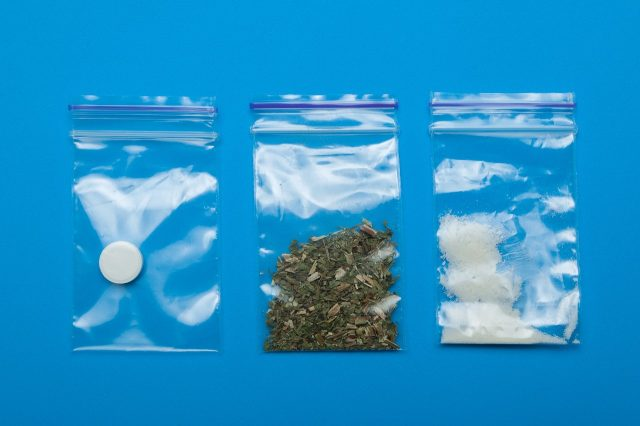
- Traditional narcotics: cocaine, heroin, marijuana, methamphetamine
- Synthetic drugs and new psychoactive substances (NPS)
- Precursor chemicals used in drug manufacturing
- Cutting agents and adulterants
- Designer drugs and emerging threats
Libraries receive regular updates to include newly identified substances, ensuring border security personnel can identify the latest trafficking trends. The Agilent Resolve Library version 41, for example, added 142 new entries to its narcotics and NPS database, with specific application briefs for nitazene, fentanyl, and benzodiazepine families.
-
Dual-Purpose Threat Detection
Border security requires vigilance against multiple threat categories. Advanced handheld Raman spectrometers provide comprehensive detection capabilities beyond narcotics control, including identification of explosives and improvised explosive device (IED) components, detection of toxic industrial chemicals that could pose environmental or health threats, and identification of chemical warfare agents and related compounds.
Why Non-Contact Detection Matters
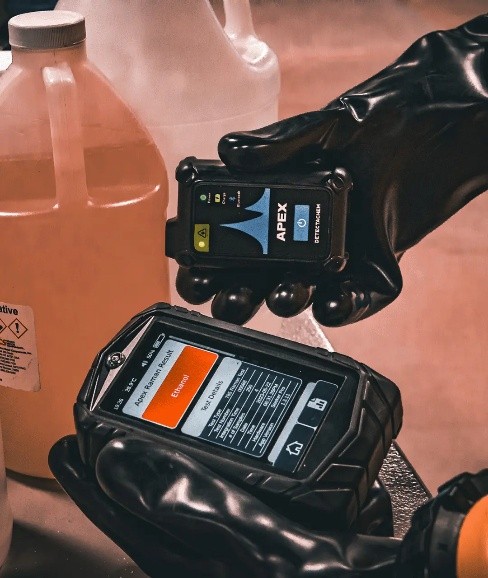
The ability to identify narcotics without physical contact represents a paradigm shift in officer safety at border checkpoints. Traditional medical testing methods require officers to open containers, handle unknown substances, and potentially expose themselves to dangerous materials. This is a primary reason why use portable Raman for border security has become the preferred detection method.
Protection From High-Potency Substances
Fentanyl and its analogs present extreme exposure risks; as little as 2 milligrams can be lethal. Inadvertent skin contact or inhalation during container opening poses genuine threats to first responders and customs officers. The U.S. Army’s Portable Microscopy Chemical Detection System (PMCDS) and commercial handheld Raman devices enable:
- Standoff detection at distances up to 6 feet (2 meters) with systems like the Pendar X10
- Trace detection on surfaces days after contamination
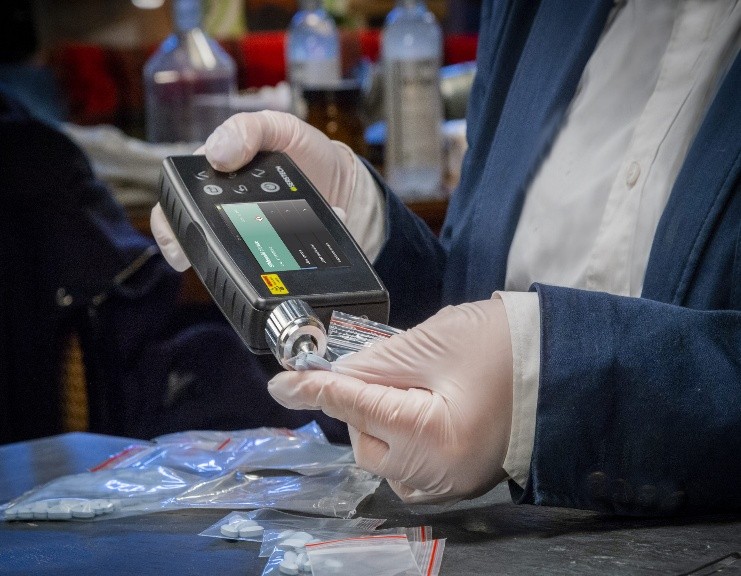
- Analysis of suspect pills without touching or opening packaging
- Integration with unmanned ground vehicles (UGVs) for remote analysis in the highest-risk scenarios
Evidence Preservation
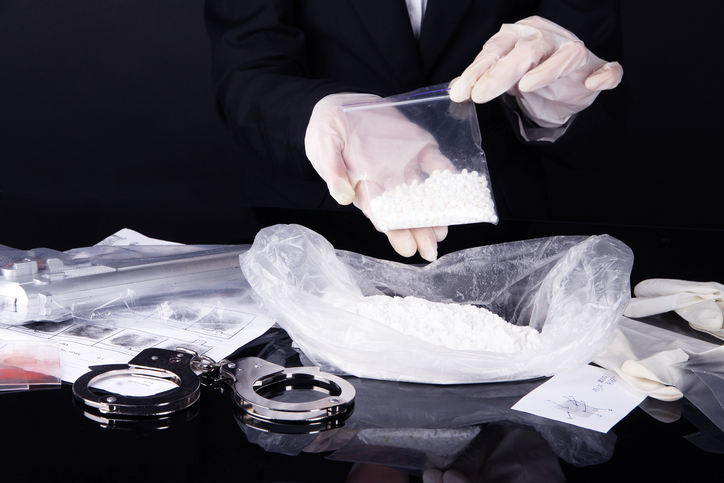
Non-destructive Raman analysis maintains the chain of custody and preserves evidence integrity. Containers remain sealed, reducing contamination risks and strengthening prosecutorial cases. All modern systems generate time-stamped reports with complete scan results, enabling streamlined documentation for legal proceedings.
Explosion Risk Mitigation
Dark-colored powders and certain explosive materials can ignite under laser illumination. Advanced systems like the Pendar X10 incorporate patented safety features, including rapid laser spot movement and automatic shut-off mechanisms to prevent ignition. This enables safe identification of sensitive materials that might detonate using conventional Raman or other analytical methods.
Operational Benefits For Border Security Applications
Speed and Efficiency
Border checkpoints process high volumes of vehicles, cargo, and mail daily. Handheld Raman spectrometers enable rapid screening:
- White powders: 5-10 seconds for presumptive identification
- Dark or colored materials: 30 seconds
- Through-barrier scans: typically under 2 minutes
This dramatically reduces checkpoint delays compared to sending samples to off-site laboratories, where results may take days. At Chicago’s International Mail Facility, which leads the United States with over 9,800 narcotic seizures annually, handheld Raman systems enable immediate decision-making without laboratory backlog.
Point-and-Shoot Simplicity
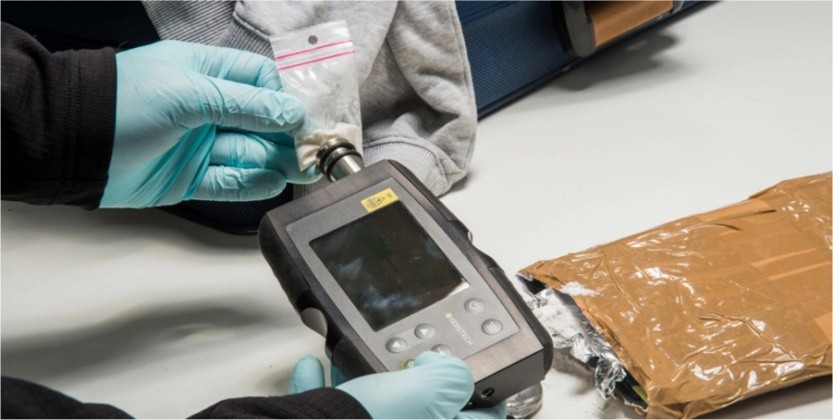
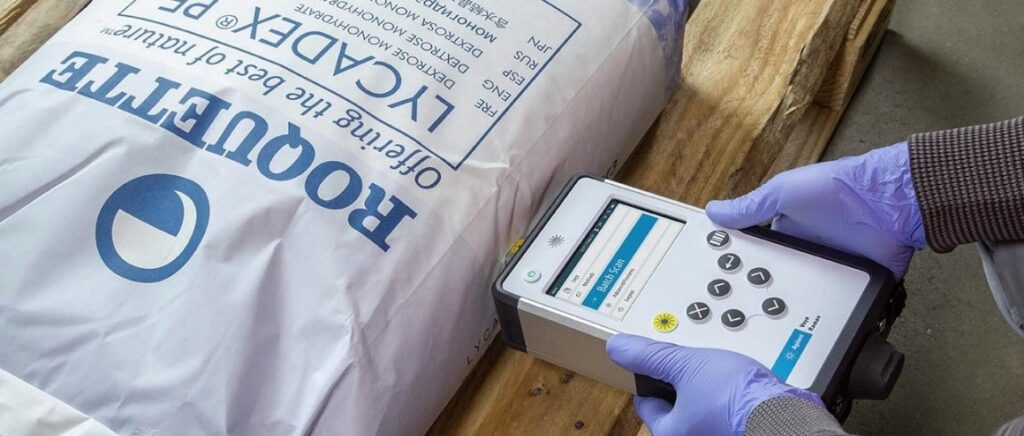
Modern handheld systems are designed for ease of use by personnel without specialized chemistry training. Features include:
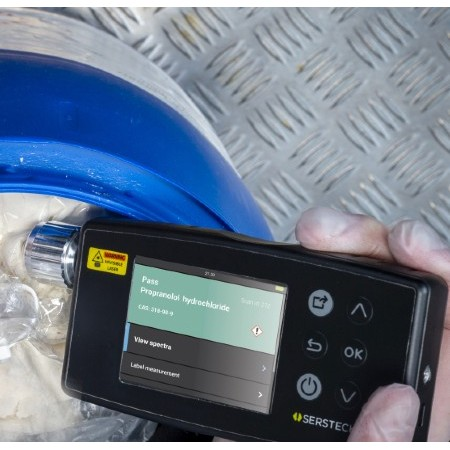
- Intuitive touchscreen interfaces with clear visual feedback
- Automated library matching with confidence scores
- Color-coded threat indicators (red for narcotics/explosives, green for benign)
- Minimal maintenance requirements suitable for field deployment
Environmental Durability
Border environments demand rugged equipment. Leading handheld Raman systems meet military and first responder standards:
- Operating temperature ranges suitable for Gulf region climates (often -20°C to +50°C)
- Drop-resistant construction for field use
- IP-rated enclosures protecting against dust and moisture
- Battery operation enabling use in remote checkpoints without electrical infrastructure
Procurement Considerations for Handheld Raman Distributors In Saudi Arabia
For Saudi Arabian border security and law enforcement agencies, establishing relationships with qualified handheld Raman distributors is essential for successful deployment. Key considerations include:
Authorized Regional Distribution
Verify that distributors are authorized representatives of manufacturers with:
- Factory training and certification programs
- Access to the latest library updates and firmware releases
- Warranty support and parts availability
- Calibration and maintenance services compliant with Saudi standards
Training and Capability Building
Effective deployment requires comprehensive training programs covering:
- Instrument operation and interpretation of results
- Safety protocols for hazardous materials handling
- Evidence documentation and chain-of-custody procedures
- Troubleshooting and field maintenance
- Integration with existing border security workflows
Regulatory Compliance
Ensure systems meet:
- Saudi Arabian Standards Organization (SASO) requirements
- International laser safety standards (IEC 60825)
- Export control regulations for chemical warfare agent detection capabilities
- Data security and encryption requirements for sensitive operations
Real-World Success Stories and Deployment Case Studies
Case Study: Masked Cocaine Detection At Border Checkpoint
A recent demonstration of integrated detection technology highlighted the value of complementary systems. Using trace detection equipment, officers identified cocaine residue on a vehicle’s door handle during initial screening. This triggered a secondary inspection, which uncovered bags of black powder, an unusual presentation designed to evade visual detection.
The best handheld Raman spectrometer for drug detection confirmed the substance as cocaine despite masking agents that would have defeated traditional field tests. The non-contact analysis maintained evidence integrity while protecting officers from exposure to unknown adulterants. Total analysis time: under two minutes from secondary inspection to identification.
Chicago International Mail Facility: High-Volume Screening
Leading the United States with over 9,800 narcotic seizures in 2024, Chicago’s facility processes thousands of international packages daily. The implementation of handheld Raman systems with both conventional and infrared techniques has enabled:
- Initial screening through packaging using Raman spectroscopy
- Confirmatory testing with infrared when results are inconclusive
- Laboratory analysis only for substances beyond field equipment capabilities
- Seizures of cocaine, heroin, marijuana, steroids, designer drugs, and fentanyl
This tiered approach dramatically reduces laboratory backlogs while maintaining high identification accuracy.
Uk Border Force Sors Deployment
The UK Border Force’s adoption of Agilent Resolve systems demonstrates international confidence in SORS technology. Officers report successful identification of threats through opaque and colored containers that were previously impossible to screen non-invasively. The through-barrier capability has proven particularly valuable for:
- Mail screening where opening packages would destroy evidence or alert sophisticated networks
- Luggage inspection at ports without damaging personal property
- Cargo screening where container integrity must be maintained
Future Developments In Portable Raman Technology
The field of handheld Raman spectroscopy continues to advance rapidly, with several emerging capabilities relevant to border security:
Artificial Intelligence Integration
Machine learning algorithms are enhancing detection accuracy in complex field environments by:
- Improving mixture analysis to identify multiple components in drug cocktails
- Reducing false positives from environmental interference
- Predicting and identifying novel psychoactive substances based on structural similarities
- Automating data interpretation to reduce operator training requirements
Network Integration And Data Analytics
Next-generation systems will feature enhanced connectivity, which enables:
- Real-time reporting to central command centers
- Pattern recognition across multiple checkpoints to identify trafficking routes
- Automatic library updates pushed to field devices
- Integration with biometric and document verification systems
Enhanced Standoff Detection
Research into extended standoff distances and robotic platform integration continues, with potential applications including
- Unmanned aerial vehicle (UAV) mounted systems for cargo container scanning
- Autonomous ground vehicle integration for high-risk scenarios
- Extended range detection enabling screening from greater distances
Conclusion:
Best handheld Raman spectrometers for drug detection represent a proven, mature technology that addresses the most critical challenges facing border security operations in the Kingdom of Saudi Arabia and globally. The combination of non-contact analysis, through-barrier detection via SORS technology, comprehensive narcotic identification libraries, and officer safety features makes portable Raman systems an indispensable tool in the fight against drug trafficking.
As synthetic drug manufacturing becomes increasingly sophisticated and trafficking networks adapt their concealment methods, the ability to rapidly identify substances through packaging, without exposure risk or evidence contamination, provides a decisive operational advantage. The documented success of systems like the Agilent Resolve, TruNarc Delta, Tau, and Pendar X10 in real-world border applications demonstrates the technology’s reliability and effectiveness.
For Saudi Arabian agencies evaluating procurement options, partnering with qualified handheld Raman distributors who can provide comprehensive training, ongoing technical support, and regular library updates is essential for maximizing return on investment. The strategic deployment of handheld Raman spectrometers at border crossings, ports, mail facilities, and checkpoints strengthens national security while protecting the health and safety of customs officers and border patrol personnel.
As the global community continues to combat the opioid crisis and emerging drug threats, handheld Raman spectroscopy will remain at the forefront of field-deployable analytical technology, delivering laboratory-quality results where they matter most: at the front lines of border security.
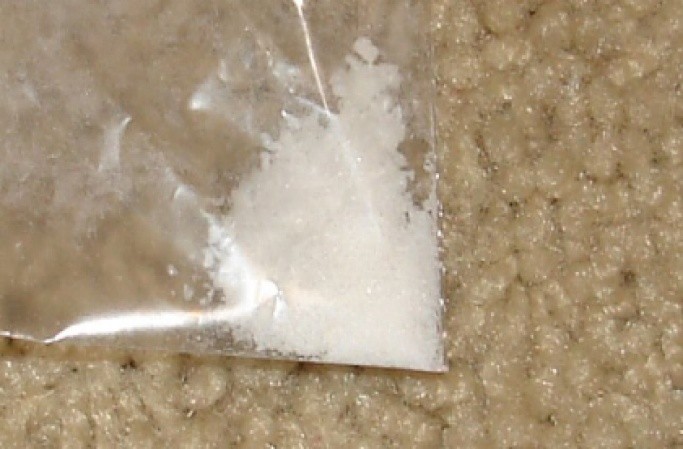
Ready to enhance your border security potential?
Strengthen your narcotics detection capabilities with advanced handheld Raman spectrometers designed for modern border security challenges. Discover how non-contact, through-barrier drug identification can enhance safety, efficiency, and operational confidence at checkpoints, ports, and mail facilities.
FAQs
They are used to identify narcotics, explosives, and hazardous substances quickly and safely in field environments.
1. Why are handheld Raman devices important for narcotics control?
They enable rapid and accurate identification of drugs without opening containers or handling unknown substances.
2. Why are handheld Raman devices important for narcotics control?
They enable rapid and accurate identification of drugs without opening containers or handling unknown substances.
3. How does Raman spectroscopy identify substances?
It analyzes molecular vibrations to generate a unique spectral fingerprint for each chemical compound
4. What makes Raman suitable for field use?
It is non-destructive, requires minimal preparation, and delivers fast results in portable formats.
5.Can handheld Raman spectrometers analyze substances through packaging?
Yes, advanced systems can identify materials through containers using through-barrier detection technologies.
6. What is SORS technology?
Spatially Offset Raman Spectroscopy is an advanced technique that allows the detection of substances beneath packaging layers.
7.How does SORS improve border screening?
It enables the identification of concealed substances without opening containers or disturbing evidence.
8.Can Raman detect narcotics in sealed containers?
Yes, many modern systems can analyze drugs inside sealed bottles, bags, or layered packaging.
9.Why is non-contact detection important?
It protects officers from exposure to dangerous substances and preserves evidence integrity.
10. Can handheld Raman systems detect fentanyl?
Yes, advanced systems include specialized detection capabilities for fentanyl and its analogs.
11. What technologies enhance fentanyl detection?
Techniques like Surface-Enhanced Raman Spectroscopy amplify signals for detecting trace levels of potent substances.
12. Can Raman identify mixtures of drugs and cutting agents?
Yes, modern systems can analyze complex mixtures and identify multiple components.
13. Do handheld Raman devices support large substance libraries?
Yes, leading systems include extensive libraries covering narcotics, precursors, and emerging threats.
14. How are libraries kept current?
Manufacturers provide regular updates to include newly identified substances and trends.
15. Can Raman devices detect substances beyond narcotics?
Yes, they can also identify explosives, toxic chemicals, and other hazardous materials.
16. How does Raman improve officer safety?
It allows standoff analysis and reduces the need for direct contact with dangerous materials.
17. Does Raman testing preserve evidence?
Yes, non-destructive analysis keeps samples intact for legal and forensic processes.
18. Are handheld Raman systems easy to operate?
Yes, they are designed with intuitive interfaces for use by personnel without advanced chemistry training.
19. What makes Raman suitable for high-volume checkpoints?
Its rapid analysis enables fast screening of vehicles, cargo, and mail.
20. Can Raman devices operate in harsh environments?
Yes, they are built for rugged field conditions and demanding climates.
21. What features support field durability?
They typically include drop-resistant construction and protection against dust and moisture.
22. How do Raman devices support documentation?
They generate time-stamped reports that support evidence handling and legal processes.
23. Why is training important for deployment?
Training ensures proper operation, safety compliance, and accurate interpretation of results.
24. What should agencies consider when choosing distributors?
They should verify authorization, technical support, and access to updates and maintenance services.
25. Do handheld Raman systems integrate with existing workflows?
Yes, they can be integrated into border security operations and reporting systems.
26. Are handheld Raman devices used globally?
Yes, they are deployed by border forces and customs agencies in multiple countries.
27. How do Raman systems support layered detection strategies?
They can be combined with other techniques for screening and confirmatory testing.
28. What future advancements are expected in portable Raman technology?
Developments include artificial intelligence integration and enhanced connectivity.
30.Why are handheld Raman spectrometers considered essential for modern border security?
They provide safe, fast, and reliable substance identification, helping agencies combat evolving drug trafficking threats effectively.
Contact our experts for personalized equipment guidance, training, and SOP support.
Contact:
Email: sales@apex-instrument.com
Mobile/WhatsApp: +971526191767