Introduction
Water quality is a critical determinant of public health, environmental protection, and sustainable development. As global demand for clean water increases and environmental regulations become more stringent, the role of accurate water testing and quality control laboratories has never been more important. At the heart of reliable water analysis lies advanced instrumentation—tools that provide precise, consistent, and actionable data.
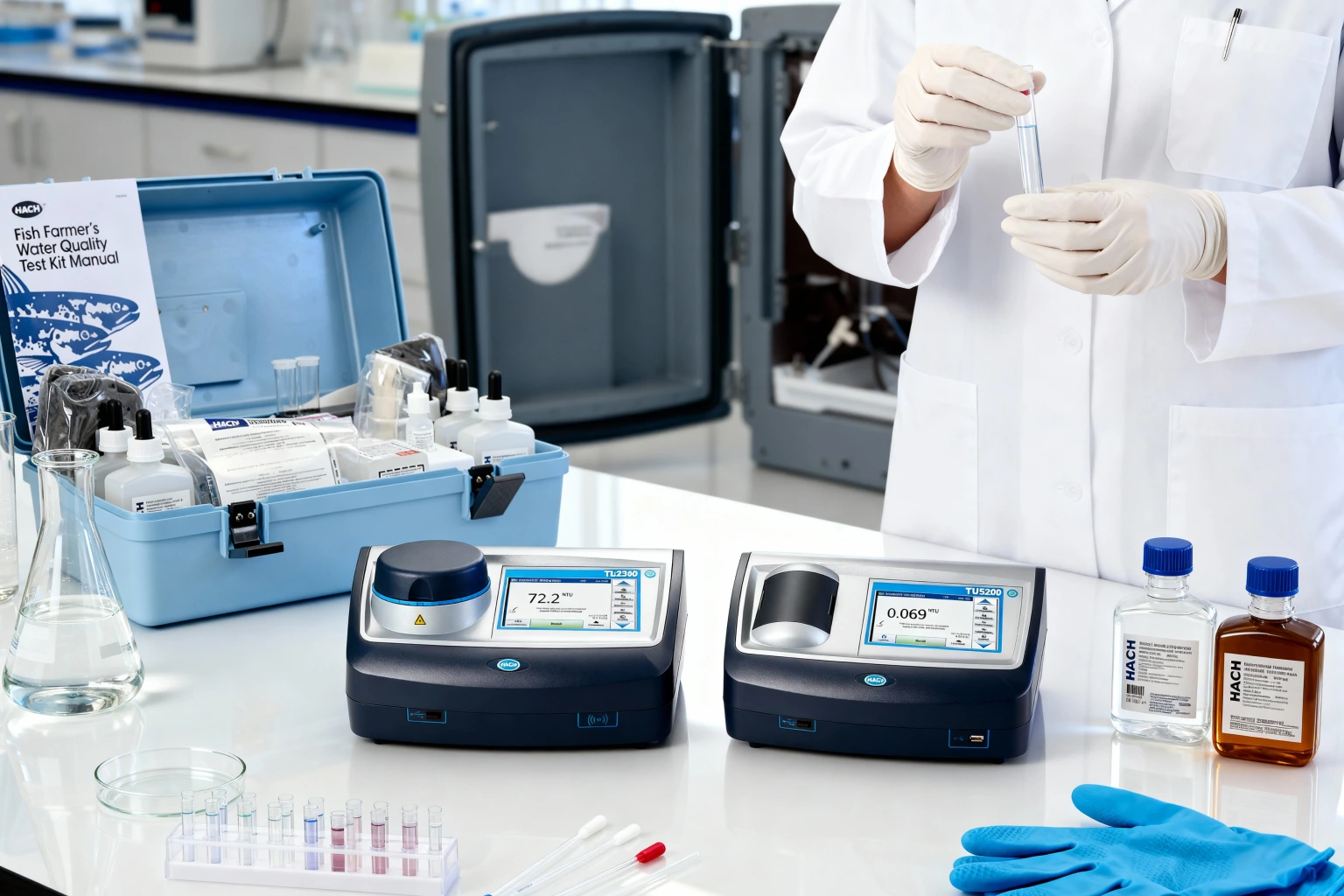
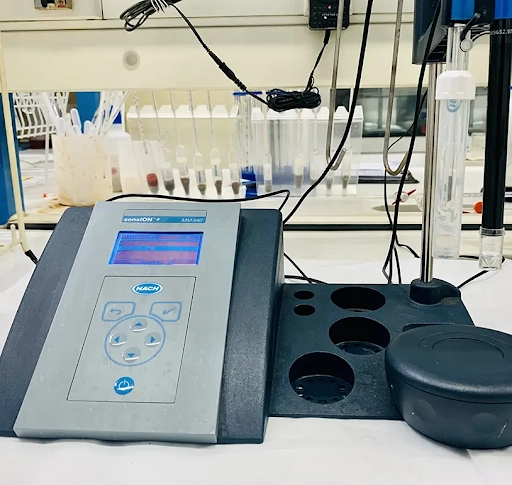
Among the most trusted names in water analysis, HACH instrumentation has become a global benchmark for potable water and wastewater testing. Known for accuracy, reliability, and ease of use, HACH instruments play a vital role in ensuring compliance, optimizing treatment processes, and safeguarding public and environmental health.
This blog explores the importance of HACH instrumentation in potable water and wastewater treatment testing, with a focus on its value in quality control laboratories.
Why Water Testing Is Critical for Potable Water and Wastewater Treatment
Potable Water Testing
Potable (drinking) water must meet strict quality standards before it reaches consumers. Even trace amounts of contaminants can pose serious health risks. Testing ensures that:
- Water is safe for human consumption
- Treatment processes are functioning effectively
- Regulatory standards are consistently met
- Public trust in water supply systems is maintained
Wastewater Testing
Wastewater treatment protects water bodies and ecosystems by removing pollutants before discharge or reuse. Regular testing ensures:
- Environmental compliance
- Protection of surface and groundwater
- Safe water reuse and recycling
- Efficient operation of treatment plants
In both cases, quality control laboratories depend on advanced instrumentation to generate reliable data for decision-making.
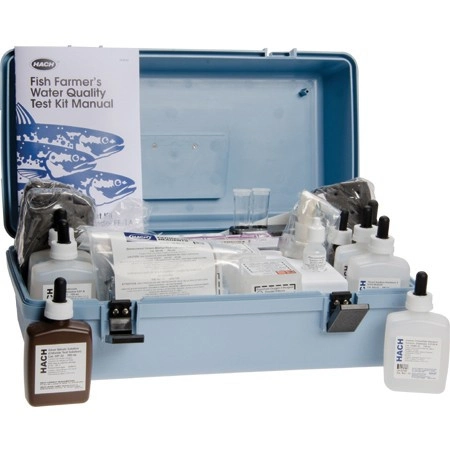
The Role of Quality Control Laboratories in Water Management
Quality control (QC) laboratories serve as the backbone of water and wastewater treatment facilities. Their responsibilities include:
- Routine monitoring of water quality parameters
- Verification of treatment efficiency
- Detection of contamination events
- Compliance reporting to regulatory authorities
- Validation of process improvements
To perform these tasks effectively, QC labs require accurate, repeatable, and standardized analytical tools—a need that HACH instrumentation is specifically designed to meet.
Why HACH Instrumentation Is Trusted Worldwide
HACH has decades of experience focused exclusively on water analysis. Its instruments are widely used by:
- Municipal water utilities
- Industrial wastewater treatment plants
- Environmental testing laboratories
- Research institutions
- Regulatory agencies
HACH instrumentation is valued for its:
- High analytical accuracy
- Method consistency
- Ease of operation
- Robust design for laboratory and field use
- Compliance with international testing standards
This combination makes HACH instruments especially important in quality control environments where data integrity is critical.
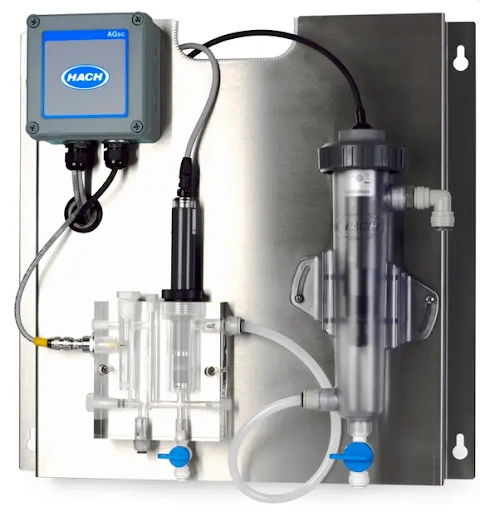
Key Applications of HACH Instrumentation in Potable Water Testing
-
Disinfection Control
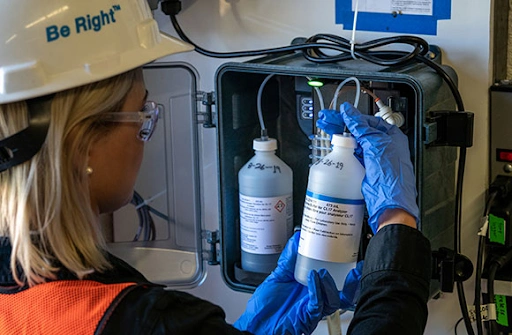
Disinfection is essential to eliminate harmful microorganisms. HACH instruments are commonly used to measure:
- Free and total chlorine
- Chlorine dioxide
- Ozone
Accurate disinfection monitoring ensures effective pathogen control without over-dosing chemicals that may affect taste or safety.
-
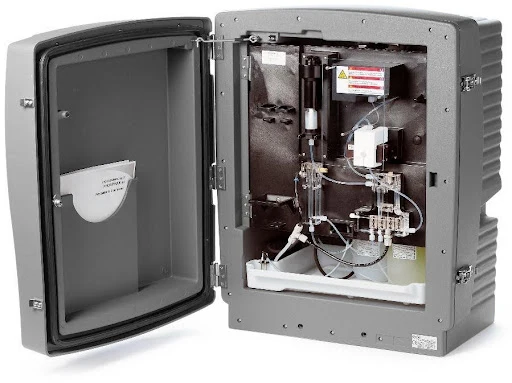
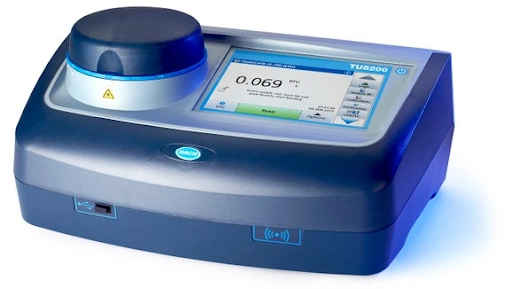
Turbidity Measurement
Turbidity is a key indicator of water clarity and treatment performance. HACH turbidity meters help:
- Monitor filtration efficiency
- Detect process upsets
- Ensure compliance with drinking water standards
Low turbidity levels are essential for effective disinfection and consumer acceptance.
-
pH and Alkalinity Analysis
pH affects corrosion, scaling, and chemical effectiveness. HACH pH meters and titration systems provide:
- Stable and precise pH measurement
- Accurate alkalinity testing
- Reliable control of water chemistry
4. Nutrient and Chemical Testing
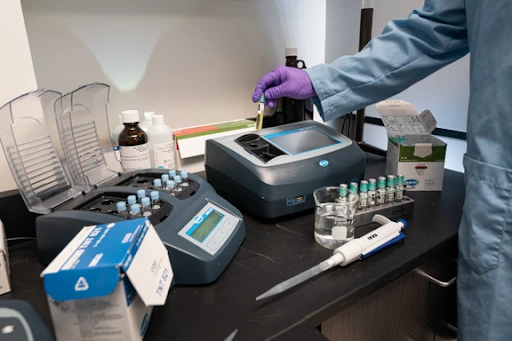
HACH spectrophotometers enable precise analysis of:
- Nitrates and nitrites
- Phosphates
- Fluoride
- Iron and manganese
These parameters are critical for both health protection and aesthetic water quality.
5. Total Organic Carbon (TOC) and UV Absorbance
Organic content can influence disinfection by-product formation. HACH instruments help QC labs monitor organic load and optimize treatment strategies.
Importance of HACH Instrumentation in Wastewater Treatment Testing
1. Monitoring Organic Pollution
Organic pollution is a primary concern in wastewater. HACH instruments are widely used to measure:
- Biochemical Oxygen Demand (BOD)
- Chemical Oxygen Demand (COD)
- Total Organic Carbon (TOC)
These parameters help assess treatment efficiency and environmental impact.
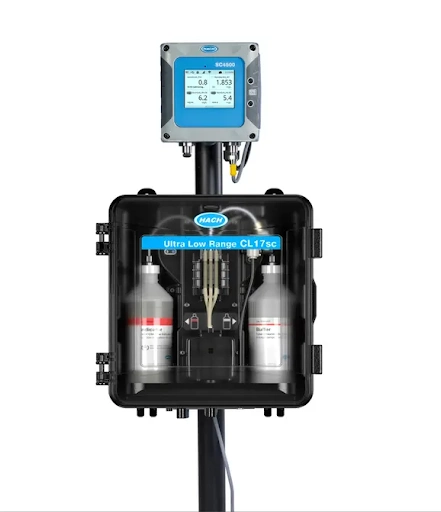
2. Suspended Solids and Sludge Control
Total Suspended Solids (TSS) measurement is essential for:
- Evaluating primary and secondary treatment performance
- Managing sludge processes
- Preventing discharge violations
HACH solutions provide accurate and repeatable solids analysis
3. Nutrient Removal Monitoring
Excess nitrogen and phosphorus can cause eutrophication in receiving waters. HACH instrumentation supports:
- Ammonia testing
- Nitrate and nitrite analysis
- Phosphate monitoring
This enables effective biological nutrient removal and compliance with discharge permits.
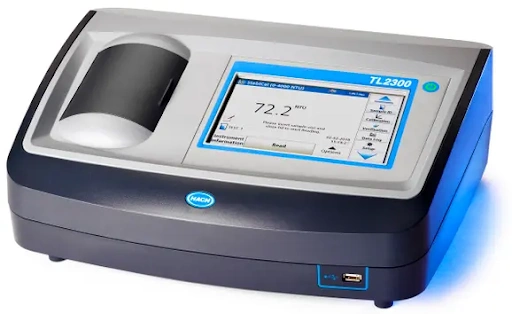
4. Industrial Effluent Analysis
Industries must meet strict discharge standards. HACH instruments support testing for:
- Heavy metals
- Cyanide
- Oil and grease
- Specific industrial pollutants
Accurate analysis helps industries avoid penalties and environmental damage.
Advantages of HACH Instrumentation in Quality Control Laboratories
1. High Accuracy and Precision
HACH instruments are designed to deliver consistent, repeatable results—essential for trend analysis and compliance reporting.
2. Standardized Methods
Many HACH methods are aligned with international standards, ensuring:
- Regulatory acceptance
- Method reproducibility
- Confidence in reported data
This standardization is particularly important in accredited laboratories.
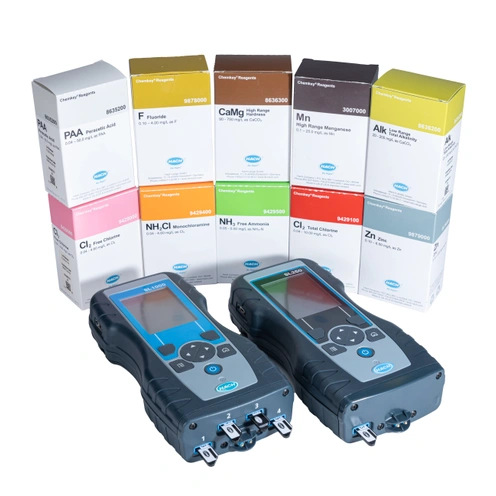
3. User-Friendly Operation
HACH instruments are designed for:
- Simple workflows
- Clear displays and guided procedures
- Reduced operator error
This allows laboratories to maintain high productivity even with varying skill levels among staff.
4. Robust Design for Laboratory and Field Use
Whether in a controlled laboratory environment or a treatment plant, HACH instruments are built to withstand:
- Harsh conditions
- Frequent use
- Long operational lifespans
5.Time and Cost Efficiency
Rapid testing methods reduce:
- Analysis time
- Chemical consumption
- Labor costs
This enables QC labs to process more samples without compromising quality.
Supporting Regulatory Compliance and Accreditation
Regulatory bodies require reliable data to ensure water safety and environmental protection. HACH instrumentation supports compliance by:
- Producing defensible, traceable results
- Enabling proper documentation and reporting
- Supporting laboratory accreditation requirements
Accurate instrumentation helps utilities and industries avoid non-compliance penalties and reputational risk.
Process Optimization Through Reliable Data
Quality control laboratories do more than verify compliance—they help optimize treatment processes. HACH instruments provide real-time and laboratory data that:
- Identify inefficiencies
- Reduce chemical and energy usage
- Improve treatment stability
- Enhance water reuse potential
Reliable data enables informed decisions that improve both performance and sustainability.
Role in Water Reuse and Sustainability
As water scarcity increases, treated wastewater is increasingly reused for:
- Industrial processes
- Irrigation
- Cooling systems
- Groundwater recharge
HACH instrumentation ensures reused water meets safety and quality requirements, supporting sustainable water management initiatives.
Training, Support, and Long-Term Reliability
Beyond instruments, HACH provides:
- Method guidance
- Training resources
- Technical support
This ensures laboratories maintain consistent performance over time and maximize the value of their investment.
Future of Water Testing with HACH Instrumentation
Advances in water analysis are moving toward:
- Automation
- Digital data integration
- Remote monitoring
- Smarter process control
HACH continues to innovate in these areas, helping quality control laboratories transition toward more efficient, data-driven water management systems.
Conclusion:
Potable water and wastewater treatment testing are essential for protecting public health, preserving the environment, and meeting regulatory obligations. Quality control laboratories depend on precise, reliable, and standardized instrumentation to fulfill these responsibilities.
HACH instrumentation plays a critical role in this ecosystem, offering trusted solutions for comprehensive water quality analysis. From drinking water safety to wastewater compliance and water reuse, HACH instruments empower laboratories to deliver accurate data, optimize treatment processes, and support sustainable water management.
Investing in high-quality instrumentation is not just a technical decision—it is a commitment to safety, compliance, and long-term environmental stewardship.
Frequently Asked Questions (FAQs)
1. What is HACH instrumentation used for in water testing?
HACH instrumentation is used to measure physical, chemical, and biological parameters in potable water and wastewater to ensure safety and regulatory compliance.
2. Why is HACH a preferred brand for water quality testing?
HACH is trusted worldwide for its accuracy, reliability, standardized methods, and long-standing expertise in water analysis.
3. What types of laboratories use HACH instruments?
Municipal water labs, wastewater treatment plants, industrial QC labs, environmental testing labs, and research institutions commonly use HACH instruments.
4. Which parameters can be tested using HACH instruments?
Parameters include pH, turbidity, chlorine, COD, BOD, TSS, nutrients, metals, TOC, and many others.
5. Are HACH instruments suitable for potable water testing?
Yes, HACH instruments are widely used for drinking water analysis and compliance monitoring.
6. Can HACH instruments be used for wastewater treatment testing?
Yes, they are extensively used to monitor influent, process control, and effluent quality in wastewater treatment plants.
7. How do HACH instruments support quality control laboratories?
They provide accurate, repeatable results that help labs maintain data integrity, consistency, and compliance.
8. Are HACH methods compliant with regulatory standards?
Many HACH methods are aligned with international and national water quality standards.
9. What is the role of HACH spectrophotometers in water testing?
They are used for precise chemical analysis such as nutrients, metals, and disinfectants.
10. How does HACH help in disinfection control?
HACH instruments accurately measure disinfectants like chlorine and chlorine dioxide to ensure effective pathogen control.
11. What is the importance of turbidity testing using HACH meters?
Turbidity measurement helps assess filtration efficiency and drinking water clarity.
12. Can HACH instruments detect organic pollution in wastewater?
Yes, HACH instruments measure parameters such as COD, BOD, and TOC to assess organic load.
13. Are HACH instruments suitable for industrial wastewater testing?
Yes, they are used across various industries to monitor effluent quality and meet discharge norms.
14. Do HACH instruments support online and real-time monitoring?
Yes, HACH offers online analyzers for continuous water quality monitoring.
15. How user-friendly are HACH instruments?
They are designed with guided workflows and simple operation to reduce user error.
16. What consumables are required for HACH instruments?
Reagents, standards, vials, filters, and calibration solutions specific to each parameter.
17. How often should HACH instruments be calibrated?
Calibration frequency depends on usage and regulatory requirements but should follow manufacturer recommendations.
18. Can HACH instruments be used for field testing?
Yes, HACH offers portable instruments suitable for on-site water testing.
19. What maintenance is required for HACH instruments?
Routine calibration, cleaning, and periodic servicing are recommended to ensure accuracy.
20. Do HACH instruments help in wastewater process optimization?
Yes, accurate data enables operators to optimize treatment efficiency and reduce costs.
21. Are HACH instruments suitable for accredited laboratories?
Yes, they are widely used in ISO and NABL-accredited laboratories.
22. How does HACH instrumentation support water reuse projects?
It ensures treated water meets safety and quality standards before reuse.
23. What training is required to operate HACH instruments?
Basic laboratory training is sufficient, and additional training is often provided by suppliers.
24. Can HACH instruments detect nutrients like nitrogen and phosphorus?
Yes, HACH provides reliable solutions for ammonia, nitrate, nitrite, and phosphate testing.
25. Are HACH instruments durable for long-term use?
Yes, they are built for long-term reliability in laboratory and plant environments.
26. How does HACH improve data reliability in QC labs?
Through standardized methods, precise measurements, and consistent performance.
27. Can HACH instruments be integrated with data management systems?
Yes, many instruments support data logging and digital reporting.
28. What industries benefit most from HACH instrumentation?
Water utilities, pharmaceuticals, chemicals, food and beverage, power plants, and manufacturing industries.
29. Is technical support available for HACH instruments?
Yes, technical support, service, and training are typically available through authorized suppliers.
30. Why is investing in HACH instrumentation important for laboratories?
It ensures accurate testing, regulatory compliance, operational efficiency, and long-term reliability.
Contact our experts for personalized equipment guidance, training, and SOP support.
Contact:
Email: sales@apex-instrument.com
Mobile/WhatsApp: +971526191767