In today’s competitive landscape, manufacturers, researchers, and engineers are constantly pushing the boundaries of performance, efficiency, and sustainability. At the heart of many breakthroughs lies a deeper understanding of the surfaces and internal pore structures of materials—a domain where surface area and porosity have outsized influence on functionality. Surface and porosimetry analyzers are the tools that make these invisible features visible and quantifiable.
In this post, we dive into what these instruments do, why their metrics matter, and how different industries—from batteries to building materials—exploit those metrics to create better products. We’ll also touch on how choosing the right analyzer (or model) can make a big difference.
What are Surface & Porosimetry Analyzers?
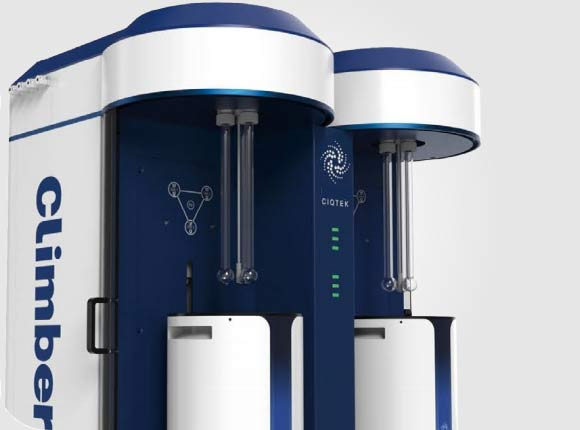
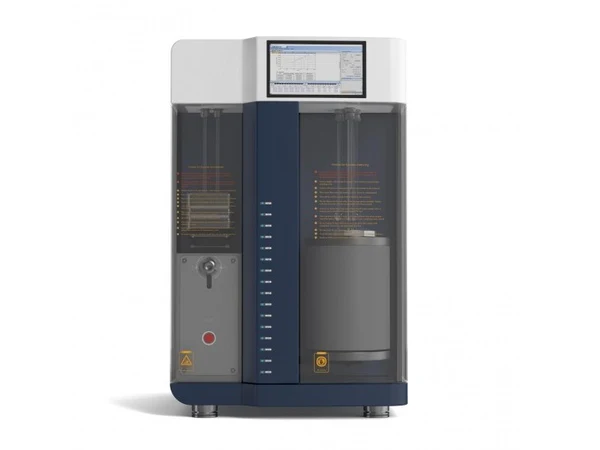
Surface and porosimetry analyzers are instruments used to measure key textural properties of solid materials, including:
- Specific surface area (often via the BET method)
- Pore size distribution (micropores, mesopores, macropores)
- Total pore volume
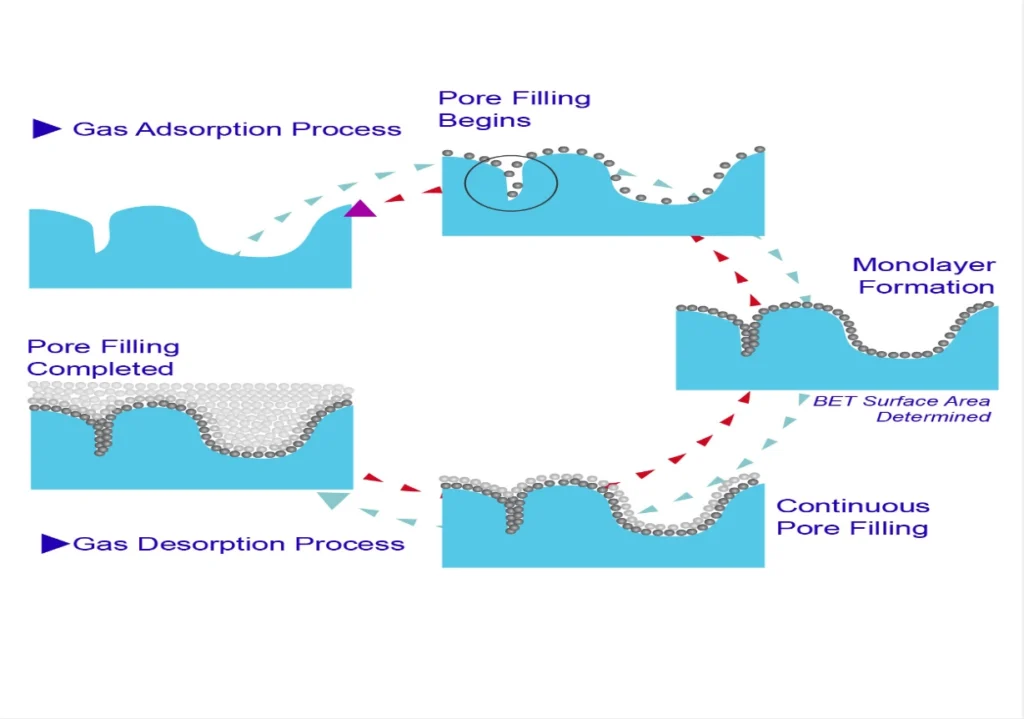
- Adsorption/desorption isotherms using different gases
- Surface area accessible to reactions or interactions
These properties are central to how materials behave—the rate of chemical reactions, how liquids or gases permeate a structure, heat and mass transfer, mechanical strength, biological response, and more.
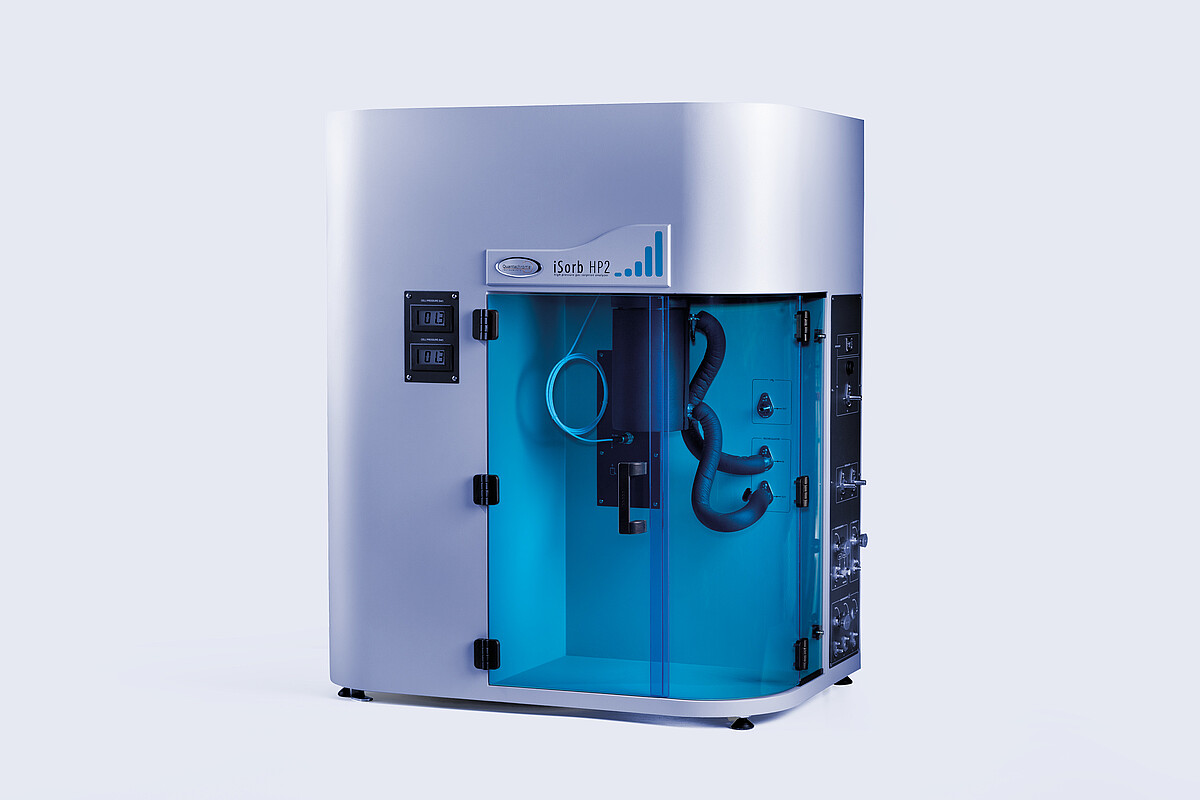
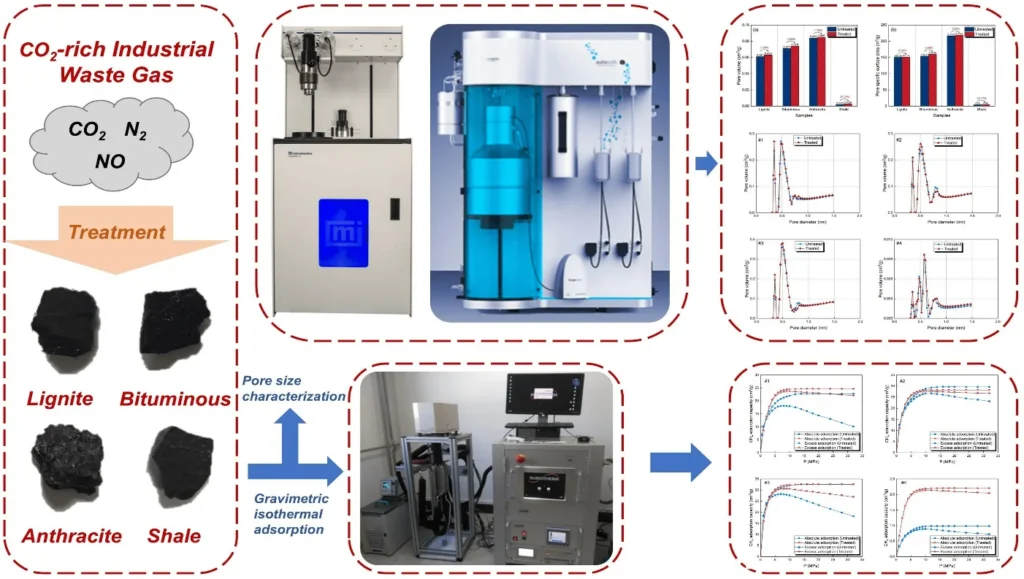
Modern analyzers use techniques like gas adsorption (nitrogen, argon, CO₂, etc.), static volumetric or flow methods, and often support advanced modelling (e.g. BJH, DFT, NLDFT, t‑plot, etc.). Some can also handle multiple samples in parallel, high throughput, precise low‑pressure control, and so on. For example, the BePore series (gas adsorption analyzer) offers measurement of pore sizes from ~0.35 to 500 nm and specific surface area above ~0.0005 m²/g.
Why Surface Area & Porosity Matter
Before going into specific industry applications, here are some general reasons why these measurements are vital:
- Performance & Efficiency: Higher surface areas mean more active sites (catalysis, electrodes). Appropriate pores allow reagents or ions to move in and out without large resistance.
- Material Durability and Stability: Pores, if too large or connected improperly, can weaken structures mechanically or allow ingress of moisture, chemicals, etc. Also, surfaces may be prone to fouling or degradation depending on texture.
- Selectivity & Control: In catalysts or filters, pore size distribution often determines which molecules can pass or react.
- Optimization of Raw Materials: Knowing the real internal surface, not merely geometric approximations, allows better design and less over‑engineering.
Regulatory, Safety, & Quality Control: Many industries require precise and reproducible data on surface area or porosity for quality, safety, or certification
Industry‑by‑Industry Applications
Now, let’s see how surface/porosimetry analysis plays out in several key sectors. Where relevant, I will mention examples of how analyzers or models are used.
- Battery Technology
Key Material Components & Why Porosity Matters
- Electrode materials (anodes & cathodes): Graphite, lithium cobalt oxide, lithium iron phosphate, etc. Here, high surface area aids in charge transfer. Porosity ensures that electrolyte can infiltrate and that ions can diffuse in and out effectively.
- Separator / diaphragm materials: Their porosity and pore connectivity dictate ionic conductivity, mechanical strength, and safety (especially in preventing dendrite growth).
- Conductive additives and carbon supports: These need high surface area to connect with active particles and improve conductivity.
How Analyzers Are Used
- Characterization of specific surface area to optimize electrode reactions.
- Measuring micropores (below ~2 nm) to understand electrolyte ion adsorption or ion storage; mesopores/macropores (2‑500 nm or more) for diffusion channels.
What to Optimize
- Maximize usable surface area without causing too much side reaction (too much surface can increase unwanted reactions).
- Ensure pores are large enough and well‑connected so the electrolyte penetrates and ions move freely.
- Balance porosity vs mechanical strength.
- Environmental Protection & Sustainability
Surface and porosity analysis is vital in applications such as:
- Adsorbents / activated carbons / carbon‑based materials to capture pollutants (VOC’s, heavy metals, CO₂).
- Molecular sieves, zeolites, MOFs for gas separations, water purification, industrial emissions control.
- Filter media for water, air, wastewater: Porosity defines what size particulates are trapped, how fast flow is, how often the filter clogs, etc.
How It Helps
- Selecting materials with the right pore size distribution to selectively adsorb certain molecules.
- Comparing different adsorbents’ performance via isotherms.
- Monitoring changes over time (degradation, fouling) by checking whether pore volume or surface area changes.
- Ceramics & Electronics
Key Properties
- Ceramic materials: Think oxide ceramics, nitrides, carbides. Their porosity affects mechanical strength, dielectric properties, thermal insulation, and sometimes optical behavior.
- Electronic ceramics & composites: Porosity influences dielectric constants, insulation, heat dissipation.
Applications
- In ceramic tile manufacture, glaze, refractories: controlling pores helps avoid defects like cracks, crazing, shrinkage, and ensures uniform density.
- In electronics (capacitors, insulators): high purity ceramics with controlled microporosity are often needed.
- Catalysis
Catalysts are one of the classical domains where surface area & porosity are absolutely critical.
Why
- Reaction rates often scale with available surface (active sites). More surface area usually = more catalytic activity (if accessible).
- Pores must permit reactants to reach active sites and products to diffuse out without hindrance.
- Also pore size controls selectivity (size‐exclusion, diffusion constraints).
Applications
- Heterogeneous catalysts (e.g., zeolites, oxides, supported metals) optimized via analysis of micropores and mesopores.
- Metal‑organic frameworks (MOFs), novel catalyst supports where pore structure is engineered for specific catalytic tasks.
- Biomedical Materials
In biomedical engineering, porosity and surface area are central to how materials interact with biological systems.
Key Uses
- Scaffolds for tissue engineering: Need interconnected pores of appropriate size to support cell infiltration, vascularization, nutrient and waste transport.
- Drug delivery: Porous carriers (nanoparticles, porous ceramics, polymers) release drug depending on pore geometry & surface chemistry.
- Implant materials (orthopedic, dental): Surface roughness/texture, porosity can affect osseointegration, bone in‑growth, implant stability and biocompatibility.
- Bioactive materials: E.g., hydroxyapatite, bioglass; often powders where surface area impacts the rate at which biologically active ions are released or exchanged.
- Building & Construction Materials
Porosity and surface area are also incredibly important in building materials for durability, insulation, moisture control, and strength.
Key Considerations
- Concrete, mortar, cementitious materials: Porosity affects compressive strength, permeability, freeze‑thaw resistance, water absorption, durability over time.
- Insulating materials: Foam, lightweight aggregates, aerated concrete—pore structure determines thermal conductivity, moisture behavior.
- Additives and admixtures: Silica fume, fly ash, nanosilica, etc. Their surface area is high; their dispersion and pore interactions affect rheology, hydration, and final material microstructure.
Challenges & Best Practices
Even with advanced instruments, obtaining accurate surface / porosity data requires care. Below are some typical challenges and strategies to overcome them.
Sample Preparation: Moisture, contamination, or volatile species on sample surfaces can change adsorption behaviour. Degassing must eliminate these without altering the sample structure.
- Choice of Adsorbate Gas: Nitrogen is common but for micropores or ultramicropores, CO₂ or other gases may be more appropriate.
- Dead Volume / Leaks: Especially in micropore measurements, leaks or large dead spaces in pipelines reduce accuracy.
- Temperature Stability and Dewar Efficiency: Adsorption measurement is sensitive to temperature; maintaining stable low temperature around the liquid nitrogen Dewar is vital.
- Understanding isotherm Type: Different materials show different isotherm shapes—type I, II, IV etc. Interpreting them appropriately helps in seeing if pores are open, blocked, or if there is hysteresis.
- Data Modeling Selection: Using the wrong model (e.g. BJH vs DFT) can lead to misleading conclusions.
- Reproducibility and Standardization: For industrial or regulatory use, repeatability, calibration, and adherence to standard test methods (ASTM, ISO) are important.
Real‑World Examples & Case Studies
To bring theory closer to practice, here are hypothetical/real scenarios showing how companies use these analyzers to solve problems or innovate.
- Optimizing a Li‑ion Battery Cathode Coating: A company notices that the cycle life of their LiCoO₂ cathodes degrades faster than expected. Surface/porosimetry analysis reveals a high proportion of micropores getting clogged by electrolyte decomposition products. By reformulating the binder coating to limit micropore exposure, while maintaining mesoporous paths, the battery retains capacity longer.
- Developing a High‑Efficiency CO₂ Adsorbent: Researchers working on MOFs analyze many variants; surface area alone is not sufficient—they also track micropore volume and pore size distribution to ensure CO₂’s molecular size (~0.33 nm) can access inside pores. Using analyzers sensitive below 1nm (e.g. ~0.35 nm lower bound) is essential here.
- Improving Ceramic Insulator Manufacturing: In a ceramics factory, variability in shrinkage and cracking was traced to uneven pore distribution leading to stress concentrations. With porosimetry tools, QC identified batches with too many large pores (>100 nm), prompting adjustments in the firing process and raw material mix.
- Designing Implant Scaffolds: A biomedical device company wants bone ingrowth into a porous titanium scaffold. They aim for pores in the 100–600 µm range (not always assessable by gas porosimetry, which focuses on much smaller pores), but also need microporous coatings (e.g. hydroxyapatite) to increase surface area for protein adsorption. They combine porosimetry for the coating, and other imaging (micro‑CT) for macro‑pore architecture.
- Durability Testing of Concrete: In a building material R&D department, concrete mixes with different additives (silica fume, fly ash) are tested. Porosity analysis shows that mixes with high silica fume content reduce capillary pores significantly, which improves resistance to freeze‑thaw cycles & water ingress. They also trade off workability and cost.
Our Offerings & How We Support You
At APEX INSTRUMENT, we understand that the right tools and the right application knowledge go hand in hand. Whether you’re developing next‑generation batteries, creating greener filtration systems, or engineering biomedical scaffolds, we offer:
- A range of surface & porosimetry analyzers, each tailored for different pore size range, throughput, and sensitivity needs.
- Expertise in sample prep, data interpretation, and method selection (BET, DFT, etc.)
- Application support to help you define what metrics really matter for your product—because surface area alone is rarely enough.
- Custom solutions: whether you need modifications, high throughput, special gases, or multi‑station analyzers.
If you’d like, we can arrange a demo or engage on a pilot project to help you characterize your materials better and accelerate time to market.
Future Trends & What to Look Forward To
To round off, here are a few directions in which surface & porosimetry analytics are heading:
- Higher Throughput & Automation: Multiple stations, faster degassing, better software pipelines to reduce turnaround time. Instruments such as those in the BePore series can complete BET tests for multiple samples in a short time.
- Deeper Micropore Characterization: As materials push into ultramicropores (<1 nm), better pressure sensors, refined gas choices (CO₂, etc.), and improved modelling will become more standard.
- Hybrid / Correlative Methods: Combining porosimetry with imaging (micro‑CT, SEM), or combining gas adsorption with vapor adsorption (for hydrophilic materials) to better capture real‑world behavior.
- Tailored Pore Architectures: For example in MOFs or templated materials, precise engineering of pore size, shape, connectivity. This demands higher precision in measurement.
- Sustainability & Green Materials: Use of natural materials (e.g. biochar, bamboo charcoal), recycling, carbon capture, etc. Porosity and surface metrics will be central to designing these materials well.
- Machine Learning / Data‑Driven Modelling: Approaches to predict material behavior from porosity data; accelerate development via predictive analytics.
Summary
Surface and porosimetry analyzers are foundational tools in modern materials science and engineering. From the nano‑scale pores in catalysts and battery electrodes to the micro‑ and macro‑pores in ceramics, filters, and construction materials, understanding what’s going on beneath the surface lets you design better, more durable, more efficient, and more sustainable products.
If your work touches on surface area (active sites, adsorption), porosity (flow, insulation, mechanical strength), or diffusion (whether of ions, liquids, or gases), then investing in the right analyzer—and applying it correctly—can unlock competitive advantage.
Contact our experts for personalized equipment guidance, training, and SOP support.
Contact:
Email: sales@apex-instrument.com
Mobile/WhatsApp: +971526191767